Estimated reading time: 10 minutes
The best time to visit Australia isn’t one neat set of dates. For most first-time visitors, March to May or September to November brings the most comfortable balance of weather, crowds and value, but the right timing depends on where you plan to go.
Australia is similar in size to the USA and Canada combined, so a national weather overview can lead you astray. I plan each trip around the regional conditions that matter most, rather than trying to find one season that suits the whole country.
Key Takeaways
- March to May and September to November are the best overall months for visiting Sydney, Melbourne and other southern regions, with mild weather, fewer crowds and better value.
- Visit Cairns, Darwin, the Great Barrier Reef and the tropical north from May to September, during the cooler, drier season.
- Plan trips to Uluru, the Red Centre and the Outback between May and September to avoid extreme summer heat and enjoy more comfortable mornings and evenings.
- Avoid peak periods such as Christmas, January, Easter week and major events, and check school holiday calendars before booking.
- Focus on two to four regions, allow a rest day after the long flight and build your itinerary around the experiences you most want to enjoy.
The best overall months for an Australian holiday
For many travelers, the best time to visit Australia is during the shoulder season: March to May in autumn, and September to November in spring. These periods often bring pleasant temperatures, fewer visitors and fewer weather extremes than the summer peak.
I recommend avoiding December to February where possible. This is Australia’s peak season, and it can bring intense heat, higher prices and crowded hotels, attractions and flights.
The best travel dates depend on the regions in your itinerary, not on Australia’s weather as a whole.
Plan for the regions on your itinerary
Australia’s climate changes sharply between Tasmania, the southern cities, the tropical north and the desert centre. The three regions I focus on are:
- Sydney and Melbourne (East Coast)
- Cairns, Darwin and the tropical north, including the Great Barrier Reef.
- Uluru, the Red Centre and the Outback.
For a broader view of the country by season, Tourism Australia has an overview of Australia’s seasonal conditions. Still, your actual travel dates should match the places you most want to experience.
Why shoulder seasons can cost less
Choosing the best time to visit Australia affects both comfort and cost. Outside the peak summer rush, I find that travelers can enjoy a calmer pace and potentially save 20 to 40% compared with the busiest months.
Traveling in the shoulder season, between major holiday peaks, can often bring better value without sacrificing too much comfort.
At the time of recording, the Australian dollar sat at about US$0.65. That meant US travellers’ dollars went further in Australia, though exchange rates move, so check the current rate before you book.
Avoid the peak summer squeeze
Christmas and January fall within the peak season across Australia. Expect stronger domestic demand, more families travelling, fuller hotels, higher prices and summer heat.
Easter week also brings a clear spike in visitor numbers, particularly in the southern cities. Travelling outside that holiday week can mean better rates and more breathing room at popular attractions.
Sydney and Melbourne are at their best in spring and autumn
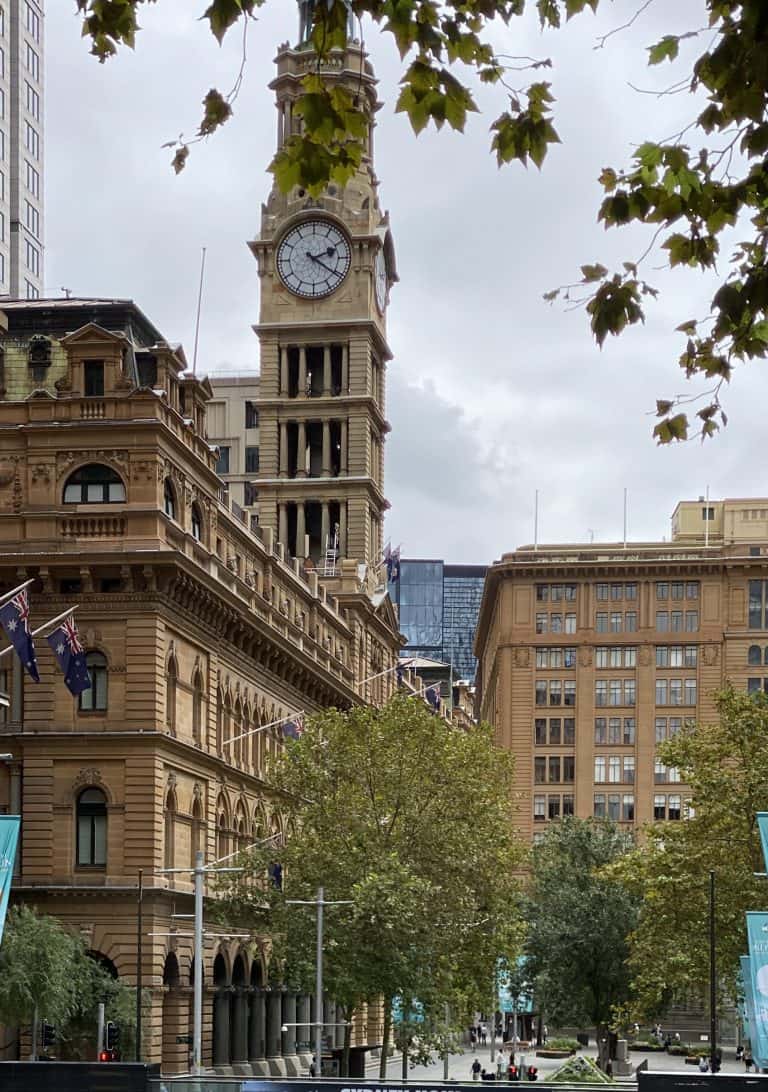
For Sydney and Melbourne, I favour spring and autumn. Both seasons tend to sit around 21 to 24°C, or about 70 to 75°F, making them the best time to visit Australia for relaxed urban sightseeing.
These mild touring conditions also suit Tasmania, another cool-climate region where outdoor activities are comfortable in the shoulder seasons.
Autumn brings mild days and lower humidity
From March to May, both cities are well suited to harbour walks, outdoor sightseeing and meals outside. I particularly enjoy eating outdoors once summer heat and humidity have passed.
Autumn brings comfortable conditions without summer’s oppressive feel. However, avoid Easter week if you can, because holiday demand pushes up prices and fills attractions.
Spring adds gardens, blooms and pre-summer energy
Spring, from September to November, offers another excellent window. Temperatures return to the same comfortable 21 to 24°C range, while gardens come into bloom.
The Royal Botanic Gardens and tulip festivals show off the season’s colour. You can enjoy outdoor dining and the capitals’ energy before summer crowds arrive.
| Season | Months | Typical temperatures | Main advantages | Consideration |
|---|---|---|---|---|
| Autumn | March to May | 21 to 24°C | Lower humidity, harbour walks and outdoor meals | Avoid Easter week where possible |
| Spring | September to November | 21 to 24°C | Blooming gardens, tulip festivals and mild sightseeing | Visit before summer crowds build |
Both windows give these southeastern capitals a relaxed feel. The weather makes it easier to spend time outdoors rather than rushing between air-conditioned spaces.
Cairns, Darwin and the tropical north need different timing
When planning the best time to visit Australia, timing matters most in the tropical north. Cairns, Darwin in the Top End and the Northern Territory have distinct wet and dry seasons. These destinations are far more enjoyable when the weather supports outdoor time, reef activities and reliable transport.
May to September is the dry-season window
I recommend visiting the tropical north from May to September. Daytime temperatures are comfortably warm, generally around 24 to 27°C, or 75 to 80°F, with little to no humidity.
These are the months for diving, snorkelling, wildlife walks and time on the Great Barrier Reef. The dry-season window also suits Kakadu National Park, with clearer skies improving experiences on land and underwater.
November to April can disrupt northern travel
The wet season runs from November to April. Heavy rain, high humidity, tropical storms and flooding can disrupt travel plans and limit outdoor activities.
Dangerous jellyfish also populate coastal waters at this time. High humidity can make land-based sightseeing uncomfortable, so I generally advise avoiding this period for a first visit to the tropical north.
Before you book Cairns, Darwin or the reef, match the dates to the dry season rather than relying on the weather in Sydney or Melbourne.
May to September suits Uluru and the Outback
For the best time to visit Australia’s Outback, plan your trip between May and September. The Red Centre, including Uluru and the Northern Territory’s ancient desert country, needs its own calendar.
Mornings are cool during these months, which makes sunrise hikes and wildlife spotting far more pleasant. As the day develops, temperatures are warm but generally more manageable than they are in summer.
Work with the desert’s daily rhythm
Summer temperatures in the Red Centre can rise above 43°C, or 110°F. That level of heat changes what is comfortable, particularly for outdoor activities.
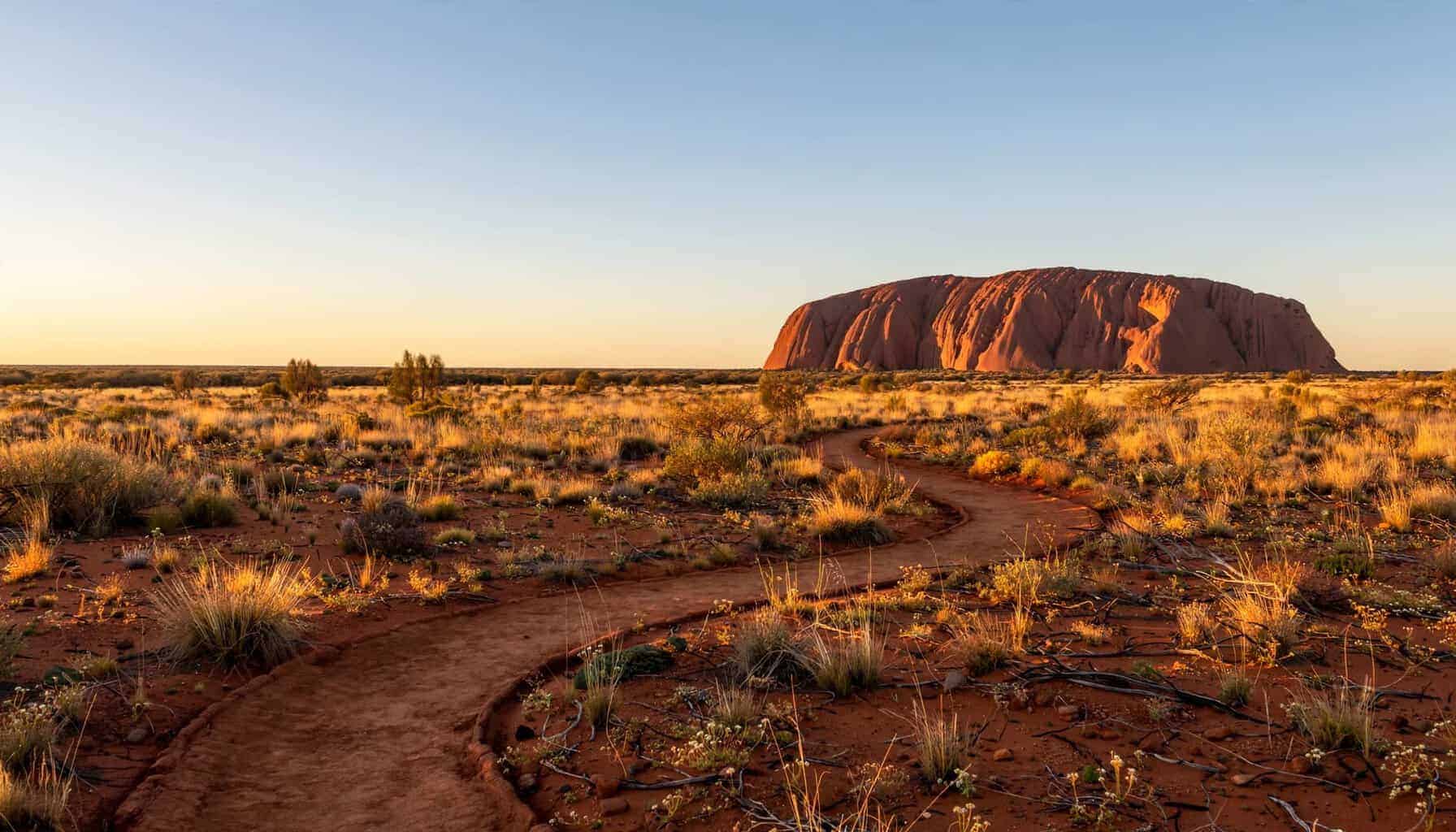
I suggest using the cooler mornings for walks, wildlife and time outside. The early and late parts of the day also bring the golden light that makes desert photography so striking.
Golden light rewards an unhurried schedule
The desert can look its best in the morning and evening, when the light falls warm across the red earth and rock formations. May to September gives you the conditions to enjoy those hours without summer’s punishing daytime heat.
Allow time to recover after the flight
Flights from the United States to Australia often take more than 15 hours, so I always advise allowing a rest day when you arrive. During peak season, long-haul flights fill quickly and carry higher fares, making early planning worthwhile.
Treat your first 24 hours as a decompression zone. Use that time to settle into the new time zone and surroundings, then begin sightseeing with more energy.
Comfort on the journey can shape the first days
If your budget allows, business class with a flatbed can help you arrive better rested. It isn’t a requirement, but it can make a long journey easier.
Once you are in Australia, I recommend limiting your trip to two to four regions. A smaller number of destinations gives you time to absorb each place instead of spending too much of the trip moving between airports.
School holidays and major events can change your plans
Australian school holidays increase domestic travel demand and intensify peak season across major travel hubs. Christmas and January are particularly busy, while Easter week, the July winter break and the late September to early October break can also affect hotel availability and prices.
Melbourne has two major events that deserve special attention. The Melbourne Cup in November can fill city hotels months ahead, while the Australian Open in January can cause a sharp rise in Melbourne prices.
Check calendars before confirming dates
I always recommend checking school holiday dates and city event calendars before you finalise an itinerary. That one step can help you avoid a crowded, costly stay when your dates are flexible.
For domestic flights, look at Tuesday to Thursday options. Tickets can be about 30% cheaper midweek than at weekends, which can make a meaningful difference across a multi-stop trip.
Build the itinerary around pace, not a long list of places
Planning around the best time to visit australia means giving each region time. I suggest beginning in Sydney or Melbourne during autumn, from March to May, then travelling north towards Cairns and the Great Barrier Reef during the dry season from May to September.
That is an example of how regional timing can shape a journey. It isn’t a fixed route, because your own interests should lead the planning.
Leave room for the experiences between the sights
Don’t plan every hour. I strongly recommend allowing time for leisurely coffee stops, outdoor meals and unscheduled afternoons.
Australia’s wine regions also deserve time if food and wine are part of the trip you want. South Australia’s Barossa Valley, the Hunter Valley and the Yarra Valley offer wine tasting experiences that are far more enjoyable when they aren’t squeezed between long drives or flights.
A successful Australia trip is measured by how fully you enjoy each place, not by how many regions you can fit into one itinerary.
Match travel dates to what you most want to see
Your interests can point you towards the right regions and seasons. Western Australia during wildflower season offers a remarkable display for travellers drawn to nature and photography. The coast also gives you the chance to swim alongside whale sharks, so plan around the seasonal arrival of whale sharks.
Wildlife lovers may want to focus on opportunities to see kangaroos, koalas and the elusive platypus, including on Kangaroo Island in South Australia. Tasmania is another strong choice for nature photographers and travellers who enjoy hiking. Australia also offers rich Aboriginal culture, particularly in the Northern Territory, alongside colonial heritage for travellers who want history to form part of their trip.
I encourage you to start with the experiences that matter most to you, then choose the regions and travel windows that support them. For additional planning guidance, my free Australia trip-planning guide for American travellers over 50 shares seven things I tell clients before they book.
Frequently Asked Questions
What is the best month to visit Australia?
March, April, May, September, October and November generally offer the best balance of comfortable weather, lower crowds and better prices. The ideal month still depends on which regions you plan to visit.
What is the best time to visit Sydney and Melbourne?
Spring and autumn are the most comfortable seasons, with typical temperatures around 21 to 24°C. These months are well suited to outdoor sightseeing, gardens, harbour walks and dining outside.
When should I visit Cairns and the Great Barrier Reef?
May to September is the best window for Cairns, Darwin and the tropical north. The dry season brings warm temperatures, low humidity and better conditions for reef activities, wildlife walks and national parks.
What is the best time to visit Uluru and the Outback?
Visit Uluru and the Red Centre from May to September, when daytime conditions are more manageable than in summer. Cooler mornings are especially suitable for sunrise walks, wildlife spotting and photography.
Should I avoid visiting Australia in summer?
December to February can still work, but it is peak season and often brings higher prices, heavier crowds and intense heat. Christmas, January and major events such as the Australian Open can make accommodation and flights particularly expensive.
Choose dates that give each region its best chance
The strongest rule for deciding the best time to visit Australia is simple: plan around each region’s weather, then keep the itinerary focused. Autumn and spring work well for the southern capitals, while the tropical north and Red Centre are most comfortable from May to September.
By travelling during the right regional windows instead of the crowded peak season, you can enjoy a more relaxed Australian holiday. Allow time to recover from the journey and resist the urge to see everything at once.